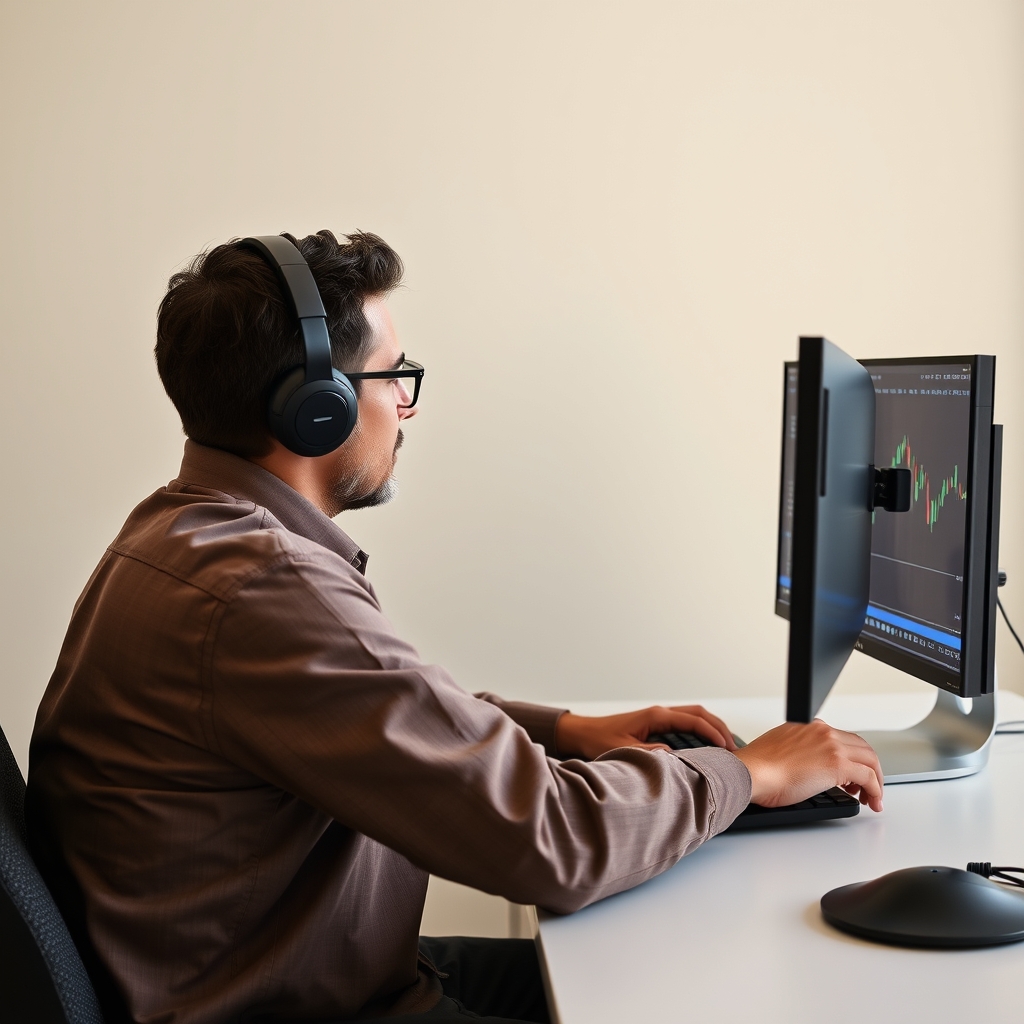
A demo account lets you place trades with virtual money in live market conditions. It is the safest way to learn a platform, test order types, and check that a strategy is at least coherent before real money is involved. It is not proof that you will profit later. This guide covers what to compare, the main types of demo, and how to use one properly.
Quick Answer: What Makes a Good Demo Account?
Look for a demo that matches the live account you would actually use: the same platform, the same instruments, and similar spreads and execution. Also check whether it expires, whether you can set your own starting balance, and whether it needs personal details to open. Details change often, so confirm them on the provider's official site before relying on them.
Types of Forex Demo Accounts Compared
Rather than rank individual brokers on features that may have changed, here is how the main demo types differ. Use it as a checklist when you review specific providers.
| Demo type | Best for | Main tradeoff |
|---|---|---|
| Broker demo on a third-party platform (such as MetaTrader 4/5 or cTrader) | Practicing on the same software you may use live; testing automated tools | Demo pricing and fills may differ from live. Some demos expire or need periodic renewal. |
| Broker's own web or mobile platform demo | Learning one broker's interface, charting and order tickets | Skills may not transfer to other platforms. |
| Charting-platform paper trading (such as TradingView's simulator) | Chart analysis and testing ideas with good drawing tools | Simulated fills may not reflect a particular broker's spreads, commissions or slippage. |
| Standalone trading simulators | Replaying history and practicing quickly | Historical replay can encourage hindsight bias, and execution is simplified. |
Features Worth Checking Before You Sign Up
- Expiry rules: does the account lapse after a period of inactivity or a fixed number of days?
- Adjustable balance: can you set a balance close to what you would really fund?
- Leverage settings: can you match the leverage you would use live? Remember that high leverage magnifies losses as well as gains.
- Instrument list: are the pairs you care about available?
- Costs shown: does it display spreads and any commissions, so you can judge realistic costs?
- Registration: what personal information is required, and what happens to it? Read the privacy policy.
- Regulation: is the broker licensed in your country? A demo from an unregulated firm can be a funnel into a risky live account.
How to Practice Step by Step
- Learn the basics first. If terms like spread, lot or margin are unfamiliar, read How Forex Trading Works and follow the beginner roadmap so your practice has a purpose.
- Set a realistic balance. A virtual $100,000 teaches bad habits if you would fund $500 live. See starting with little money for how small accounts work.
- Pick one or two pairs. Fewer variables make patterns easier to see. The best currency pair for beginners question is a useful starting point.
- Write a simple plan. Define your entry rule, stop-loss, target, and risk per trade (many traders keep it to a small percentage of the account). Check what lot size a beginner should use and how pip value works so your position sizing is calculated, not guessed.
- Keep a journal. Record the setup, reason, result, and what you would change. Without records, a demo is just clicking.
- Trade across sessions. Behavior at the London open differs from late New York. Market hours and sessions explains why.
- Review after a meaningful sample. A handful of winning trades means little. Look at dozens of trades, including drawdowns, before drawing conclusions.
 Recommended for youHow Forex Trading Works: Currency Pairs, Pips, Lots, Spreads and Orders Explained
The Honest Limits of Demo Trading
- Execution is idealized. Demos often fill orders instantly. Live trading can bring slippage, requotes, and wider spreads during news.
- Emotion is missing. Closing a losing trade is easy when nothing is at stake. Fear and greed show up when real money does.
- Overconfidence is a risk. A strong demo run can reflect luck or a favorable market period, not skill.
- Demo rewards can be unrealistic. Oversized virtual balances and loose risk rules produce results you could not repeat live.
How Long Should You Stay on Demo?
There is no universal answer. Some people spend a few weeks learning the platform and testing a plan, while others take months. Move on when you can follow your rules consistently, understand your costs, and can explain every trade, not simply when your balance is up. For a wider view, see how long it takes to learn forex trading.
Moving From Demo to Live Carefully
When you are ready, treat the first live account as a continuation of practice, not a promotion. Start with an amount you can afford to lose entirely, use small position sizes, and keep the same plan and journal. Expect results to feel different. Compare brokers on regulation, costs, platform support, and withdrawal terms, and use PipPilot Review's broker comparisons as a starting point, then verify current details on each official site. When you are ready to register, how to open a forex trading account walks through KYC and country requirements.
Where to Go Next
If you are new, start with Forex Trading for Beginners and pair your demo practice with free courses, books and PDFs. Forex and leveraged products carry a high risk of loss, and many retail accounts lose money. This page is educational, not personal financial advice. If you are unsure whether trading suits your situation, consider speaking with a licensed financial professional.
Keep reading
 What to Learn First in Forex: A Step-by-Step Beginner RoadmapMost people who struggle early in forex don't fail because they picked the wrong indicator. They fa…
 Best Free Forex Courses, Books and PDFs for BeginnersFree forex education is plentiful, but quality varies widely. Some of it is solid and neutral. Some…
 How to Start Forex Trading with Little Money: Micro Accounts, Position Sizing and Realistic GoalsYou can open a forex account with a small deposit, but a small account changes what is realistic. I…