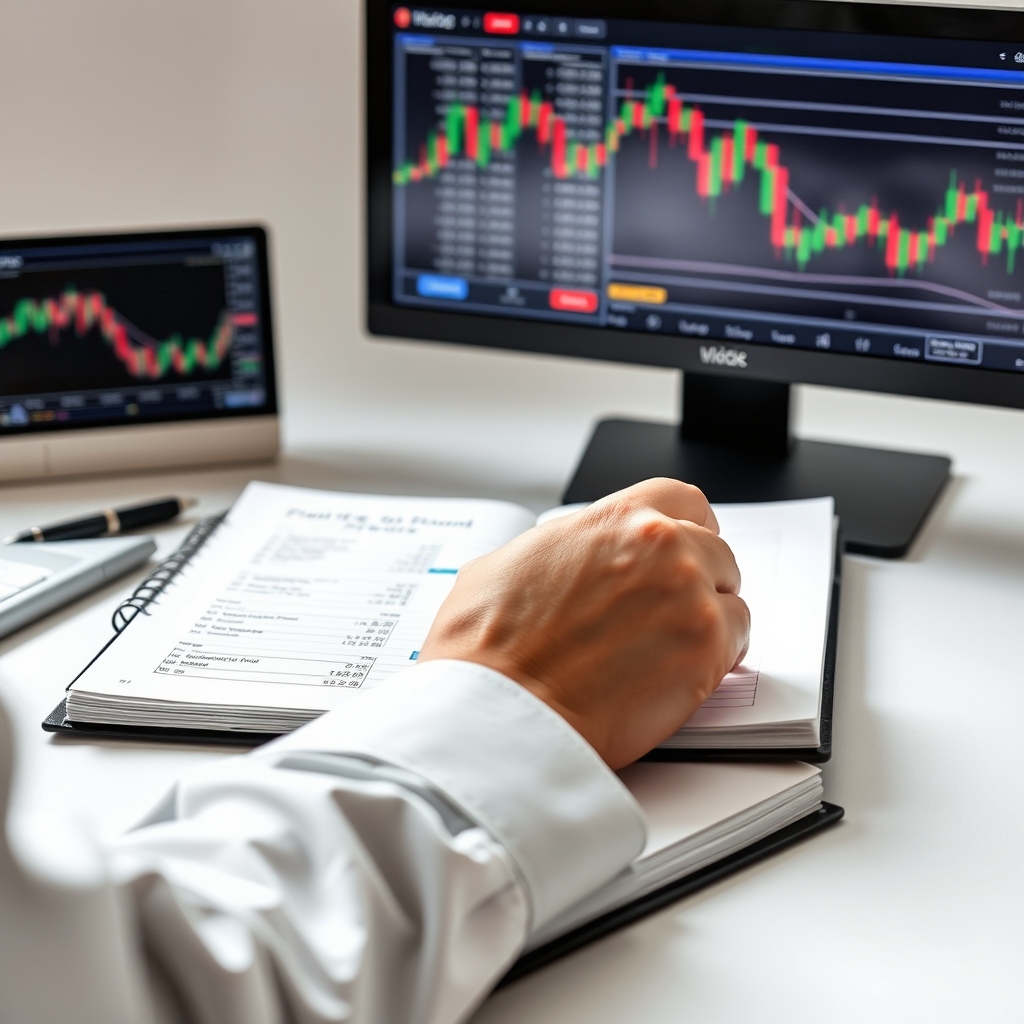
Most traders compare brokers on one number: the spread. That is a mistake. Your real cost of trading is the sum of several charges, and some of them only show up after you have funded an account. This guide walks through each one, how to measure it, and where the tradeoffs sit. Figures vary by broker, account type and market conditions, so always confirm current details on the broker's official site.
The Four Main Cost Buckets
- Spread: the gap between the buy (ask) and sell (bid) price. You pay it on entry, effectively.
- Commission: a separate per-trade charge, common on raw or ECN-style accounts.
- Swap (rollover): interest-like charge or credit for holding a position overnight.
- Non-trading fees: deposits, withdrawals, currency conversion, inactivity and similar charges.
Spreads
Fixed vs. variable
Variable spreads move with liquidity. They are often tight in busy sessions and can widen sharply around news releases, at rollover, or when markets are thin. Fixed spreads are predictable, but they are typically set higher on average, and brokers may still requote or widen in extreme conditions. Read the terms.
Why "from 0.0 pips" is not the whole story
Advertised spreads are usually best-case or average figures for specific pairs and times. What matters is the spread at the moment you trade. If you trade the news or the Asian session, test those conditions specifically. For a broader look at the question, see which forex broker has the tightest spreads.
Commissions
Raw-spread accounts offer very tight spreads but charge a commission, usually quoted per lot per side or per round trip. Standard accounts typically fold the cost into a wider spread with no commission. Neither is automatically cheaper. The only fair comparison is total cost per round trip.
How to compare accounts
- Take the typical spread for your pair, in pips.
- Convert any commission into pips (or both into currency) for the same lot size.
- Add them together for a round-trip figure.
- Repeat for the account types you are considering, using the broker's published numbers and your own live observations.
The model behind pricing matters too; our explainer on the difference between an ECN broker and a market maker shows why the structures differ.
Swaps and Overnight Costs
Hold a position past the broker's daily cutoff and you will be charged or credited a swap, based on the interest rate difference between the two currencies plus the broker's markup. Details to check:
- Swaps can be negative on both long and short positions.
- Many brokers apply triple swap on one day of the week to cover the weekend.
- Some offer swap-free (Islamic) accounts, which may substitute other fees. Ask what those are.
- Swap rates change, so check the platform's contract specifications rather than relying on old figures.
For day traders swaps are minor. For swing and position traders they can quietly erode returns, particularly on carry-unfriendly pairs.
 Recommended for youBest Forex Brokers Reviewed: Regulation, Spreads, Fees and Platforms Compared
Withdrawal and Other Non-Trading Costs
These are the ones people overlook until they try to take money out.
- Withdrawal fees: some methods are free, others carry a flat or percentage fee. Bank wires may also incur intermediary bank charges.
- Currency conversion: if your account currency differs from your bank's, expect a conversion margin.
- Deposit fees: often free at the broker, but your payment provider may charge.
- Inactivity fees: some brokers charge dormant accounts.
- Platform or data fees: usually free for standard platforms, but check any add-ons.
Also look at withdrawal processing times and minimums. Slow or obstructed withdrawals are among the most common forex broker complaints, and no low spread compensates for that.
Quick Comparison Framework
| Cost | When it hits | Who feels it most | What to check |
|---|---|---|---|
| Spread | Every trade | Scalpers, high-frequency traders | Live spreads at your trading times |
| Commission | Every trade (raw accounts) | High-volume traders | Round-trip cost per lot |
| Swap | Overnight holds | Swing and position traders | Contract specifications, triple-swap day |
| Withdrawal/conversion | Moving money | Everyone | Method fees, limits, processing time |
A Practical Testing Routine
- Verify regulation first. Cheap pricing from an unregulated entity is a warning sign, not a bargain. Here is how to verify a forex broker's regulation.
- Open a demo, then a small live account. Demo pricing does not always match live execution.
- Log real costs for a couple of weeks: spread at entry, commission, slippage, swaps.
- Test a small withdrawal before committing larger funds.
- Re-check periodically. Fee schedules change.
Honest Tradeoffs
- The cheapest headline cost may come with higher minimum deposits, stricter conditions or fewer protections.
- Raw accounts reward frequent trading but can cost more for occasional traders.
- Slippage and requotes are costs too, and they do not show on a fee page.
- Low costs reduce friction. They do not make a strategy profitable, and forex trading with leverage can lose you more than you expect. Only risk money you can afford to lose, and consider speaking to a licensed financial adviser if unsure.
Where to Go Next
To see how specific providers present their pricing, start with Best Forex Brokers Reviewed or browse all Forex Broker and Trading Platform Reviews. Individual breakdowns are available in our IC Markets review, Pepperstone review and Exness review. Your platform choice can also affect execution and costs, so see MT4 vs MT5 vs cTrader vs TradingView. If you plan to follow other traders, note that extra fees apply, covered in Best Forex Copy Trading Platforms Compared.
Always confirm current fees, spreads and terms on the broker's official website before depositing. This page is educational, not financial advice.
Keep reading
 MT4 vs MT5 vs cTrader vs TradingView: Which Forex Trading Platform Should You Use?The best platform is the one that fits how you trade, is offered by a well-regulated broker, and th…
 Which forex broker has the tightest spreads?No single broker has the tightest spreads for everyone. Raw-spread ECN-style accounts, such as thos…
 How do you verify a forex broker's regulation?Find the regulator's name and license number on the broker's website, then look that exact entity u…